 English
 Español
  Português
  русский
  Français
  日本語
日本語  Deutsch
  tiếng Việt
  Italiano
  Nederlands
  ภาษาไทย
  Polski
  한국어
한국어  Svenska
  magyar
  Malay
Malay  বাংলা ভাষার
  Dansk
Dansk  Suomi
Suomi  العربية

Abstract: Potato starch is an incredibly versatile ingredient widely used in both industrial processes and culinary applications. From thickening sauces to manufacturing biodegradable plastics, this natural polymer offers a sustainable and efficient solution for a variety of industries. This article explores the properties, benefits, production processes, and practical uses of potato starch, helping businesses and consumers make informed choices.
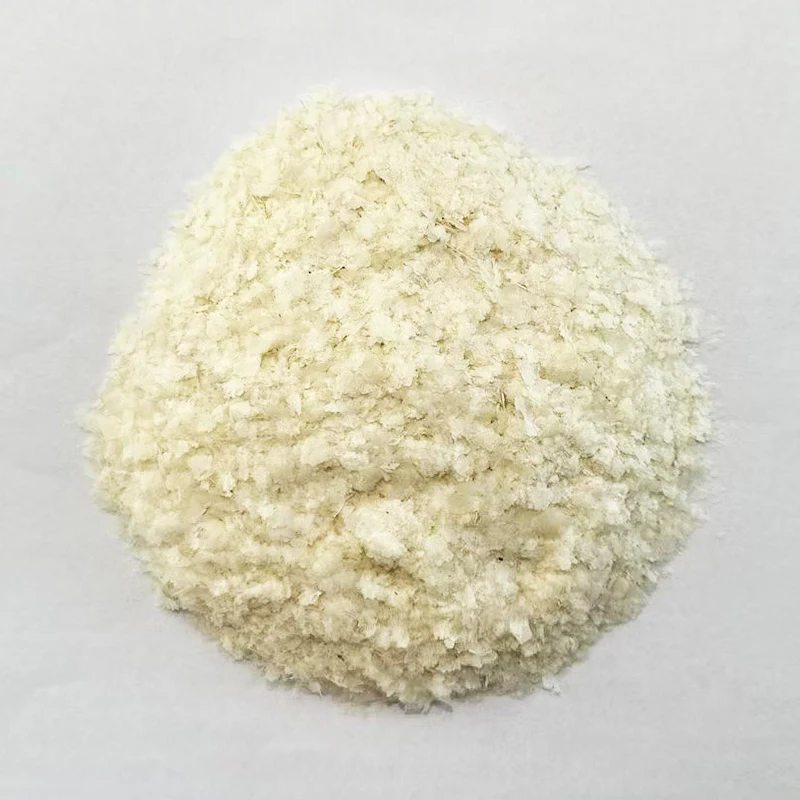
Table of Contents
- What is Potato Starch?
- Properties and Benefits
- Production Process
- Culinary Applications
- Industrial Applications
- Storage and Handling Tips
- FAQ
- Contact Xinjiang Wenxing
What is Potato Starch?
Potato starch is a fine, white powder extracted from the tubers of potatoes. It is primarily composed of carbohydrates and is valued for its neutral taste, high purity, and excellent binding and thickening properties. Unlike corn or wheat starch, potato starch has larger granules, which contributes to its unique gel-forming ability when heated and cooled.
- High purity carbohydrate source
- Neutral taste and odor
- Non-GMO and gluten-free alternative
- Excellent thickening and gelling properties
Properties and Benefits
Understanding the properties of potato starch is essential for maximizing its potential across industries. Its physical, chemical, and functional attributes make it a preferred choice in food, pharmaceuticals, and manufacturing.
| Property | Benefit |
|---|---|
| High water absorption | Enhances texture in sauces, soups, and baked goods |
| Gelatinization at low temperature | Reduces energy cost in food processing |
| Neutral flavor | Does not alter the taste of products |
| Film-forming capability | Used in biodegradable films and edible coatings |
Production Process
The extraction of potato starch involves several precise steps to ensure high purity and quality:
- Washing and peeling potatoes to remove dirt and impurities.
- Grinding the tubers to release starch granules.
- Separating the starch from fiber using water-based washing and centrifugation.
- Drying the starch into a fine, white powder.
Xinjiang Wenxing ensures that all stages follow strict quality controls to deliver consistent and high-performing potato starch for industrial and culinary use.
Culinary Applications
Potato starch is widely used in the food industry due to its unique properties:
- Thickening agent: Ideal for soups, sauces, gravies, and puddings.
- Binding ingredient: Improves texture in gluten-free baking and processed foods.
- Coating and frying: Creates a crispy exterior for fried foods without absorbing excessive oil.
- Stabilizer: Prevents ice crystals in frozen foods and improves shelf life.
Its neutral flavor and fine texture make it suitable for delicate desserts and specialty culinary recipes.
Industrial Applications
Beyond food, potato starch has many industrial uses:
- Paper and cardboard: Enhances strength and smoothness in paper production.
- Textiles: Used as a sizing agent to strengthen fibers.
- Biodegradable plastics: Potato starch can replace synthetic polymers in eco-friendly packaging.
- Adhesives: Forms strong, water-soluble adhesives for various applications.
Xinjiang Wenxing provides industrial-grade potato starch optimized for specific manufacturing processes, ensuring consistent performance and cost efficiency.
Storage and Handling Tips
Proper storage and handling are essential to maintain potato starch quality:
- Store in a cool, dry place away from moisture and direct sunlight.
- Keep in airtight containers to prevent contamination and clumping.
- Use within the recommended shelf life to ensure optimal performance.
- Avoid exposure to strong odors, as starch can absorb external smells.
FAQ
1. Is potato starch gluten-free?
Yes, potato starch is naturally gluten-free and suitable for people with gluten intolerance or celiac disease.
2. Can potato starch be used in baking?
Absolutely. It improves texture and moisture retention in gluten-free and conventional baked goods.
3. What industries can benefit from industrial-grade potato starch?
Paper, textiles, biodegradable plastics, adhesives, and food processing industries commonly use potato starch.
4. How should potato starch be stored?
Store in a dry, cool, and airtight environment to maintain quality and prevent clumping.
Contact Xinjiang Wenxing
If you are looking for high-quality potato starch for food, industrial, or specialty applications, Xinjiang Wenxing provides reliable, consistent, and high-performing solutions. Learn more and place your orders by visiting our product page or contact us today for personalized support and bulk inquiries.