 English
 Español
 Português
 русский
 Français
 日本語
 Deutsch
 tiếng Việt
 Italiano
 Nederlands
 ภาษาไทย
 Polski
 한국어
 Svenska
 magyar
 Malay
 বাংলা ভাষার
 Dansk
 Suomi
 العربية


Article Summary
Mashed potatoes potato granules are a convenient, shelf-stable potato ingredient widely used in food manufacturing, catering, instant meal production, and commercial kitchens. Made from processed potatoes through controlled cooking, drying, and granulation, they can be rehydrated into smooth mashed potatoes with minimal preparation. This article explores how potato granules are produced, their key characteristics, industrial applications, preparation methods, quality considerations, and purchasing factors. It also explains how food manufacturers can select suitable potato granules to improve production efficiency, product consistency, and supply reliability.
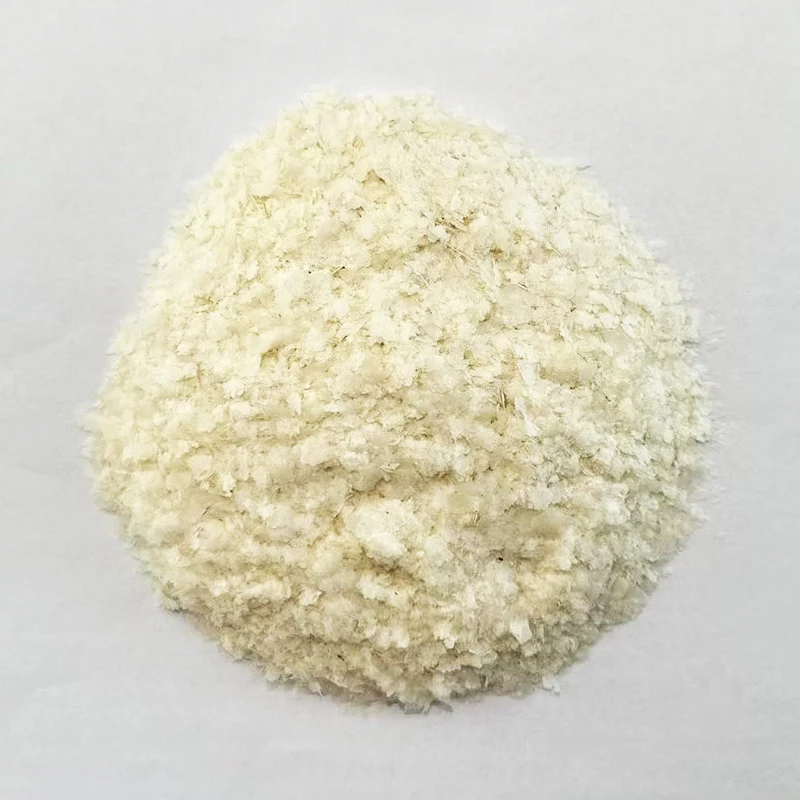
Table of Contents
- What Are Mashed Potatoes Potato Granules?
- How Are Potato Granules Manufactured?
- What Makes Potato Granules Valuable?
- How Do Potato Granules Compare with Fresh Potatoes?
- Where Are Potato Granules Commonly Used?
- How Can You Prepare Smooth Mashed Potatoes?
- What Quality Factors Should Buyers Evaluate?
- How Should Potato Granules Be Stored?
- How Can Businesses Choose a Reliable Supplier?
- Frequently Asked Questions
1. What Are Mashed Potatoes Potato Granules?
Mashed potatoes potato granules are dehydrated potato products designed to produce mashed potatoes after adding water or other suitable liquids. They are manufactured from carefully selected potatoes and processed into small, dry granules that can be conveniently stored, transported, and rehydrated when needed.
Unlike fresh potatoes, which require washing, peeling, cutting, boiling, and mashing, potato granules offer a more standardized ingredient for commercial food production. Their dry form makes them particularly practical for manufacturers that need consistent raw materials and efficient production workflows.
When combined with hot water, milk, butter, or other ingredients according to the intended recipe, the granules absorb moisture and develop a soft mashed potato texture. The resulting product can be adjusted to meet different preferences, including smooth, creamy, thick, or seasoned mashed potatoes.
Understanding the Basic Characteristics
- Dehydrated format: Reduced moisture content helps support convenient storage and transportation.
- Quick preparation: Rehydration eliminates many traditional potato preparation steps.
- Versatile formulation: Suitable for plain mashed potatoes and various formulated food products.
- Consistent processing: Standardized production can help manufacturers achieve repeatable results.
- Convenient handling: Dry ingredients are easy to measure, package, and incorporate into production lines.
For food processors, potato granules are more than a convenient alternative to fresh potatoes. They are a functional ingredient that can simplify formulation, reduce preparation labor, and support large-scale manufacturing.
2. How Are Potato Granules Manufactured?
The quality of mashed potatoes potato granules depends heavily on raw potato selection and manufacturing controls. Each production stage influences the final product's color, flavor, granule structure, rehydration behavior, and texture.
Step 1: Selecting Suitable Potatoes
Production begins with the selection of suitable potato varieties. Raw materials should have appropriate dry matter content, starch characteristics, flavor, and processing performance.
Manufacturers evaluate incoming potatoes to ensure they meet established quality specifications. Uniform raw materials help reduce variations during subsequent processing stages.
Step 2: Washing and Peeling
Potatoes are thoroughly washed to remove soil, stones, and other foreign materials. They are then peeled using suitable industrial equipment. Effective cleaning and peeling are essential for maintaining product cleanliness and minimizing unwanted impurities.
Step 3: Cutting and Cooking
The cleaned potatoes are cut into appropriately sized pieces to promote uniform cooking. They are then cooked under controlled conditions until the potato tissue becomes sufficiently soft.
Proper cooking is important because insufficient processing can affect texture, while excessive treatment may influence the final product's structure and quality.
Step 4: Mashing and Processing
After cooking, the potatoes undergo mechanical processing to create a uniform potato base. Depending on the manufacturer's production technology, additional operations may be used to control the structure and consistency of the material.
Step 5: Drying and Granulation
The processed potato material is dehydrated using controlled industrial drying methods. Moisture reduction helps produce a stable dry ingredient suitable for packaging and distribution.
The dried material is then processed into granules with controlled particle characteristics. Particle size and structure influence water absorption, rehydration speed, and the texture of the prepared mashed potatoes.
Step 6: Quality Inspection and Packaging
Finished granules undergo quality checks before being packaged in suitable moisture-resistant packaging. Depending on the product specification, inspections may include appearance, moisture content, particle consistency, sensory characteristics, and microbiological testing.
A controlled drying process and consistent granule structure are important for achieving predictable rehydration performance. Food manufacturers should evaluate the finished product rather than relying exclusively on the raw material description.
3. What Makes Potato Granules Valuable for Food Production?
For commercial food manufacturers, ingredient performance must be evaluated through several factors, including handling, preparation time, product consistency, storage, and final texture.
Convenient and Efficient Preparation
Traditional mashed potato production involves multiple preparation stages. Potato granules simplify the process because they can be incorporated directly into a rehydration system.
This convenience is particularly useful in centralized kitchens, catering facilities, food factories, and instant food production lines where preparation efficiency matters.
Consistent Product Results
Fresh potatoes can vary in moisture, starch content, variety, and cooking characteristics. These differences may affect the texture and flavor of the final mashed potato product.
Standardized potato granules can help manufacturers control ingredient quantities and processing conditions, supporting more repeatable production results.
Efficient Storage and Transportation
Because potato granules are dehydrated, they generally require less storage space per unit of prepared potato product than fresh potatoes. Their dry format also makes them convenient to transport and manage in ingredient warehouses.
Flexible Recipe Development
Potato granules can be incorporated into different formulations. Manufacturers can adjust the liquid ratio, seasoning, fat ingredients, and other components to create products for different markets and applications.
Reduced Preparation Labor
Using ready-to-process dehydrated ingredients can reduce the labor required for washing, peeling, cutting, and mashing fresh potatoes. This can simplify kitchen operations and help businesses allocate labor more efficiently.
4. How Do Potato Granules Compare with Fresh Potatoes?
Fresh potatoes and dehydrated potato granules both have important roles in food production. The right choice depends on the application, processing capacity, storage conditions, and desired product characteristics.
| Comparison Factor | Potato Granules | Fresh Potatoes |
|---|---|---|
| Preparation | Rehydration and mixing | Washing, peeling, cooking, and mashing |
| Storage Format | Dry ingredient | Fresh agricultural product |
| Preparation Labor | Generally lower | Generally higher |
| Ingredient Consistency | Can be standardized by specification | May vary by variety and harvest |
| Recipe Flexibility | Suitable for controlled formulations | Suitable for fresh preparation |
| Industrial Handling | Convenient for dry ingredient systems | Requires fresh produce handling |
For large-scale production, potato granules may offer advantages in handling efficiency and process standardization. However, fresh potatoes remain suitable for applications where fresh preparation, specific varieties, or traditional cooking methods are preferred.
Businesses should consider the total production process instead of comparing ingredient prices alone. Labor, processing equipment, storage, waste, transportation, and production consistency all contribute to the overall cost.
5. Where Are Mashed Potatoes Potato Granules Commonly Used?
The versatility of potato granules makes them suitable for a wide range of commercial and industrial food applications.
5.1 Instant Mashed Potato Products
Instant mashed potato manufacturers use dehydrated potato ingredients to develop convenient products for household consumers. Depending on the formulation, these products may be packaged in bags, cups, pouches, or other retail formats.
Manufacturers can add milk powder, seasoning, salt, butter flavor, or other ingredients to create different product varieties.
5.2 Food Service and Catering
Restaurants, hotels, cafeterias, and catering companies require ingredients that can be prepared efficiently in different serving quantities.
Potato granules help simplify kitchen preparation and support more predictable portioning, making them useful for high-volume food service operations.
5.3 Frozen Food Manufacturing
Potato granules can be incorporated into selected frozen food formulations, including potato-based fillings, prepared side dishes, and composite food products.
Formulation testing is necessary to confirm that the ingredient performs appropriately during mixing, freezing, storage, and reheating.
5.4 Snacks and Processed Foods
Potato-based dry ingredients are used in various snack and processed food formulations. Their functional properties can contribute to product structure, flavor, and processing characteristics.
Depending on the formulation, potato granules may be combined with starches, seasonings, flour, and other ingredients.
5.5 Ready Meals and Convenience Foods
Ready-meal manufacturers can use potato granules in products designed for convenient preparation. They may serve as a base for mashed potato side dishes or as an ingredient in complete meal formulations.
Different applications may require different granule specifications. A product designed for instant mashed potatoes may not automatically deliver the best performance in frozen foods, snacks, or complex industrial formulations. Always conduct application-specific testing.
6. How Can You Prepare Smooth Mashed Potatoes from Potato Granules?
Preparing mashed potatoes from potato granules is straightforward, but the liquid ratio, temperature, mixing method, and resting time can significantly influence the final texture.
Basic Preparation Procedure
- Measure the ingredients: Weigh the required amount of potato granules and liquid according to the manufacturer's instructions.
- Heat the liquid: Prepare hot water or another recommended liquid at the specified temperature.
- Add the granules: Introduce the granules gradually while mixing to promote even hydration.
- Allow moisture absorption: Give the mixture sufficient time to absorb the liquid.
- Adjust the texture: Add small amounts of liquid if a softer consistency is required.
- Complete the recipe: Add butter, milk, salt, or seasoning according to the desired formulation.
Factors That Influence Texture
- Liquid ratio: Too little liquid can produce a thick mixture, while excessive liquid may result in a watery texture.
- Water temperature: Follow the product specification to support proper hydration.
- Mixing intensity: Appropriate mixing helps distribute moisture evenly.
- Resting time: Allowing sufficient hydration time can improve consistency.
- Additional ingredients: Milk, butter, oils, and seasonings influence flavor and mouthfeel.
For commercial applications, manufacturers should establish a standardized preparation procedure through production trials. This helps maintain consistency across batches, production shifts, and different equipment configurations.
7. What Quality Factors Should Buyers Evaluate?
Choosing mashed potatoes potato granules requires more than checking the product name and price. Buyers should understand the specifications that influence production performance and finished product quality.
7.1 Moisture Content
Moisture content is an important quality parameter for dehydrated potato ingredients. Excessive moisture can affect storage stability and increase the risk of deterioration under unsuitable conditions.
Buyers should request the supplier's declared moisture specification and corresponding quality inspection documentation.
7.2 Granule Size and Uniformity
Particle size influences ingredient handling, hydration, and the final texture of prepared mashed potatoes. A consistent granule structure can help improve processing repeatability.
Buyers should confirm whether the product's particle characteristics match their equipment and formulation requirements.
7.3 Color and Appearance
Color is an important sensory characteristic. Potato granules should have an appearance consistent with the agreed product specification, without unexpected discoloration or visible foreign materials.
7.4 Flavor and Aroma
Potato ingredients should have an acceptable characteristic potato flavor and aroma. Unusual odors or flavors may indicate raw material, processing, or storage problems.
7.5 Rehydration Performance
Rehydration behavior is particularly important for manufacturers of instant mashed potato products. Buyers should evaluate how quickly the granules absorb liquid, whether they hydrate evenly, and whether the prepared product meets the desired texture requirements.
7.6 Food Safety and Documentation
Food safety documentation is essential when purchasing ingredients for commercial production. Buyers should review applicable specifications, test reports, traceability information, and food safety certifications where available.
| Quality Parameter | What Buyers Should Check | Why It Matters |
|---|---|---|
| Moisture | Declared moisture specification | Storage stability |
| Appearance | Color and visible impurities | Product acceptance |
| Granule Structure | Particle size and uniformity | Processing consistency |
| Rehydration | Water absorption and texture | Finished product performance |
| Microbiological Quality | Relevant laboratory test results | Food safety management |
| Packaging | Integrity and moisture protection | Product preservation |
8. How Should Potato Granules Be Stored?
Although dehydrated potato granules are convenient to store, unsuitable storage conditions can affect their quality. Moisture, heat, direct sunlight, pests, and damaged packaging should be carefully controlled.
Recommended Storage Practices
- Keep the product dry: Store in a dry environment and avoid exposure to moisture.
- Maintain suitable temperatures: Follow the manufacturer's recommended storage conditions and avoid excessive heat.
- Protect the packaging: Keep bags sealed and prevent damage during handling.
- Avoid direct sunlight: Store products away from direct sunlight and other unsuitable environmental conditions.
- Use clean storage areas: Maintain appropriate warehouse hygiene and pest control.
- Follow stock rotation: Apply first-in, first-out inventory management where appropriate.
Businesses should also check the production date, expiration date, batch number, and storage instructions on each shipment. Once a package is opened, it should be resealed properly and used according to the supplier's recommendations.
9. How Can Businesses Choose a Reliable Potato Granules Supplier?
For importers, food manufacturers, wholesalers, and food service distributors, supplier selection has a direct impact on ingredient consistency and long-term procurement efficiency.
Check Product Specifications
A reliable supplier should provide clear product information, including applicable quality parameters, ingredient composition, packaging details, and recommended applications.
Request Samples Before Bulk Purchasing
Samples allow buyers to evaluate color, flavor, texture, hydration performance, and compatibility with their production processes before committing to larger orders.
Evaluate Production and Quality Control
Buyers should understand the supplier's raw material management, manufacturing procedures, inspection processes, and batch traceability system.
Confirm Packaging and Supply Capacity
Packaging should be suitable for the intended transportation and storage conditions. Businesses should also confirm the supplier's available production capacity, lead times, and ability to support repeat orders.
Discuss Custom Requirements
Different markets and food applications may require different product specifications. Buyers should communicate their target applications, packaging preferences, expected order quantities, and documentation requirements before placing an order.
Supplier Evaluation Checklist
- Does the supplier provide detailed product specifications?
- Are product samples available for testing?
- Can the supplier provide relevant quality and safety documents?
- Is the packaging appropriate for international transportation?
- Can the supplier maintain consistent product quality?
- Are production capacity and delivery schedules clearly communicated?
- Can the supplier support long-term cooperation and repeat orders?
As a potato processing and supply business, Xinjiang Wenxing Potato Industry Co., Ltd. is a brand buyers can contact to discuss potato ingredient sourcing requirements. When evaluating any supplier, buyers should confirm the specific product specifications, available samples, quality documentation, and commercial terms for their intended application.
10. Frequently Asked Questions About Mashed Potatoes Potato Granules
Q1: What are mashed potatoes potato granules made from?
They are generally made from selected potatoes that undergo washing, peeling, cooking, processing, drying, and granulation. Additional ingredients depend on the specific product formulation.
Q2: Are potato granules suitable for instant mashed potatoes?
Yes. Potato granules are widely used as a base ingredient for instant mashed potato products. Their dry format allows manufacturers to prepare mashed potatoes through controlled rehydration.
Q3: Do potato granules contain additives?
It depends on the product formulation. Some products may contain only potato ingredients, while others may include emulsifiers, preservatives, or other functional ingredients. Buyers should check the ingredient declaration and product specification.
Q4: How long do potato granules take to rehydrate?
Rehydration time depends on granule characteristics, liquid temperature, liquid ratio, and mixing conditions. Follow the manufacturer's instructions and conduct preparation trials to determine the appropriate processing time.
Q5: Can potato granules be used in industrial food production?
Yes. They can be used in instant mashed potatoes, ready meals, catering products, selected frozen foods, snacks, and other potato-based formulations, subject to application testing.
Q6: What is the difference between potato granules and potato flakes?
Both are dehydrated potato ingredients, but they differ in physical structure and processing characteristics. Granules are generally small particulate materials, while flakes have a thin, sheet-like structure. Their hydration behavior and application suitability may differ.
Q7: How should opened potato granules be stored?
Opened products should be resealed in suitable moisture-resistant packaging and stored in a clean, dry environment. Follow the manufacturer's storage and shelf-life instructions.
Q8: What should importers consider when purchasing potato granules in bulk?
Importers should evaluate product specifications, sample performance, packaging, food safety documents, minimum order quantities, production capacity, shipping arrangements, and delivery schedules.
Q9: Can potato granules be customized for different food applications?
Depending on the manufacturer's capabilities, product specifications and packaging options may be adjusted to meet different application requirements. Buyers should communicate their technical expectations before ordering.
Q10: Why should food manufacturers test samples before ordering?
Sample testing helps verify hydration performance, taste, appearance, texture, and compatibility with existing production equipment. It also reduces the risk of purchasing ingredients that do not meet the intended application requirements.
Conclusion: Making Potato Ingredient Sourcing More Efficient
Mashed potatoes potato granules offer food manufacturers and commercial kitchens a convenient way to prepare consistent potato-based products. Their dehydrated format, flexible formulation possibilities, and straightforward preparation make them valuable ingredients for instant foods, catering, ready meals, and selected industrial food applications.
However, successful sourcing requires careful attention to moisture content, granule structure, rehydration performance, sensory quality, food safety documentation, and packaging. By evaluating these factors and conducting application-specific sample tests, buyers can make better procurement decisions and establish more reliable ingredient supply chains.
For businesses looking to develop potato-based food products or source dehydrated potato ingredients, working with a supplier that understands product specifications and commercial requirements is an important step toward stable production.
Looking for a Reliable Potato Granules Supplier?
Are you sourcing mashed potatoes potato granules for instant food manufacturing, catering, food processing, or wholesale distribution? Xinjiang Wenxing Potato Industry Co., Ltd. welcomes inquiries from global buyers.
Contact us to discuss your product requirements, request samples, and explore suitable potato ingredient solutions for your business.
Contact Us